
Flavors & ingredients
Why Is Some Juice Blue? Blue Spirulina Explained
By the Tiff. Wellness Co. editorial team · Published
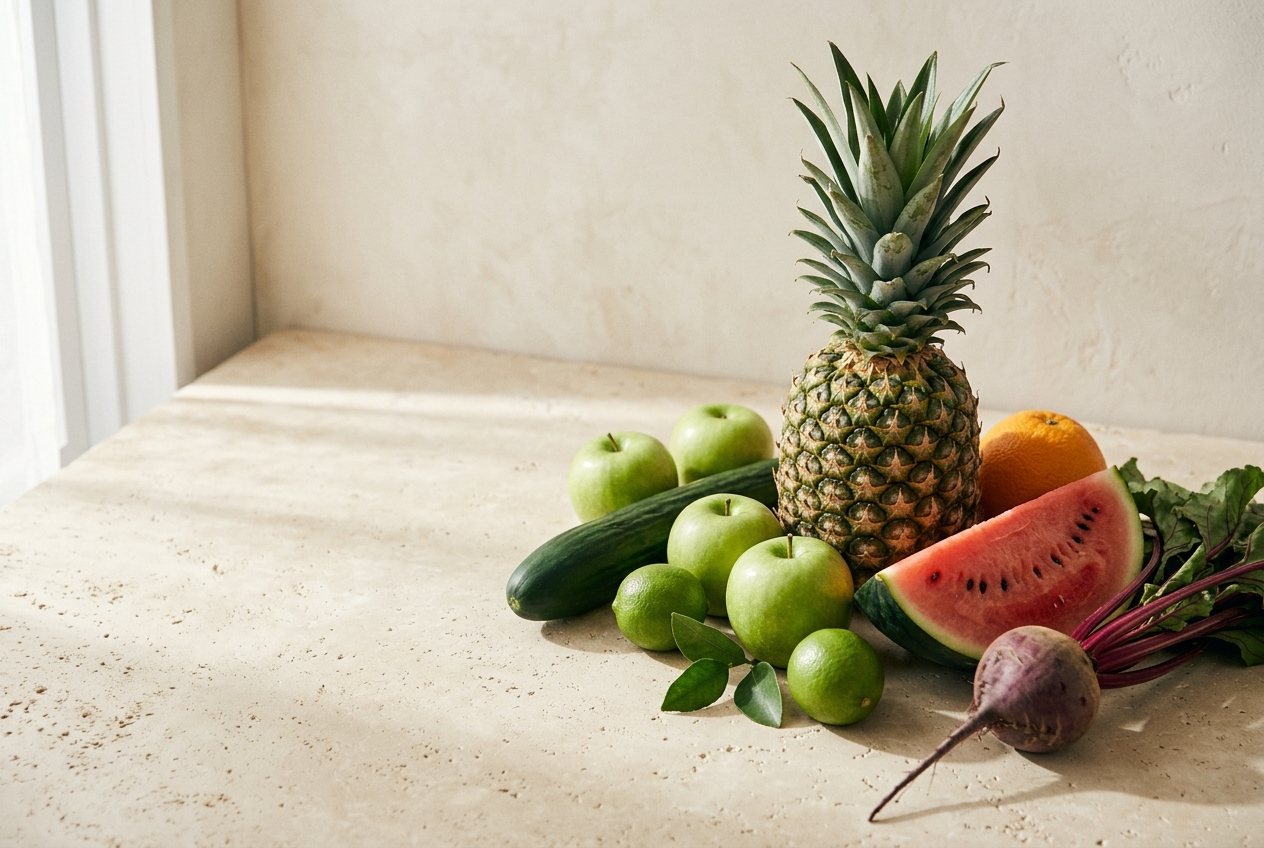
Blue juice is almost always colored by blue spirulina — phycocyanin, a brilliant blue pigment extracted from spirulina algae. Unlike green spirulina powder, the blue extract is nearly flavorless, so it changes the look of a juice far more than the taste. Our blue bottle is Electric Sun: green apple, pineapple, cucumber, lime and blue spirulina, plus added clear protein.
The pigment behind the color
Spirulina is a blue-green alga that's been consumed for centuries; phycocyanin is the protein-pigment complex that makes it blue. Extract just that pigment and you get an intensely blue powder that colors anything it touches — smoothie bowls, lattes, and juice. It's one of the few vivid blues available from a natural source, which is why it conquered juice menus despite contributing almost no flavor of its own.
Blue extract vs. green spirulina powder
| Blue spirulina (phycocyanin) | Green spirulina powder | |
|---|---|---|
| What it is | Isolated pigment extract | Whole dried algae |
| Taste | Nearly neutral | Distinctly marine / grassy |
| Color payoff | Electric blue from a pinch | Murky deep green |
| Role in juice | Visual, mostly | Flavor and visual, both strong |
This distinction settles the most common fear: a blue juice does not taste like the ocean. If you've been burned by green spirulina smoothies, the blue extract is a different experience entirely.
What's actually in our blue bottle
Electric Sun is green apple, pineapple, cucumber, lime and blue spirulina, with clear protein as the menu-listed addition (dose not published — what that means when buying). Strip away the color and it's a close cousin of a crisp green juice; the spirulina turns that familiar profile into the most photographed bottle on the menu. Fair warning it shares with beets: the pigment stains, so pour carefully.
Spotting pigment-washing on other menus
Because the blue is so photogenic, some products use spirulina the way fashion uses a logo — a pinch for the camera, priced like a feature. Two label checks keep you honest. First, position: spirulina listed dead last in a short list is doing visual work; that's fine, as long as the price premium matches a garnish rather than a supplement. Second, claims: the moment "blue" comes bundled with energy, immunity or recovery promises, you're back in unverified-addition territory, and the dose question applies as hard to a pigment as to protein.
Our own usage is the garnish-plus kind and we price it like a juice, not a supplement: Electric Sun costs the same posted reference price as every other bottle on the menu. The blue is there because it makes a crisp recipe more fun — which, stated plainly, is a legitimate reason for an ingredient to exist.
Buying blue anywhere
- Check the source of the blue: spirulina/phycocyanin (natural) vs. artificial blue dyes — the ingredient list will say.
- Ignore glow-up language: "super algae" claims deserve the same dose-and-evidence questions as any functional addition.
- Expect produce-first flavor: the base recipe, not the pigment, is what you'll taste.
- Expect settling: natural pigments and raw juice both separate — shake gently.
Worth a slot in your pack?
As the designated wildcard in a mixed pack, absolutely — it's a conversation starter that still drinks like a crisp everyday juice. Order one in your next pickup and judge the blue with your own eyes; the color survives photos, but it's better in person.
Key takeaways
- Blue juice is almost always phycocyanin — a pigment extracted from spirulina algae — not artificial dye; the ingredient list confirms which.
- The blue extract is nearly flavorless, so a blue bottle tastes like its produce base, not like the sea.
- Electric Sun pairs the pigment with a crisp apple-pineapple-cucumber-lime recipe and lists clear protein as its menu addition.
- Price the blue as a garnish unless the seller publishes amounts and evidence for bigger claims — pigment-level quantities earn pigment-level expectations.
- Like beet pigments, spirulina stains: pour with respect for your tablecloth.
- A final practical note: pigments settle like any raw-juice solid, so a gentle shake restores the full blue before pouring and photographing.
Frequently asked questions
Does blue spirulina have health benefits?
We don't promise any, and the honest answer is that marketing runs far ahead of settled evidence for pigment-level amounts in a juice. Treat blue spirulina as what it visibly is — a striking natural color — and treat any seller's bigger claims with the same skepticism we recommend for every label.
Does Electric Sun taste like algae?
No — that's the point of using the blue extract rather than whole spirulina powder. Phycocyanin is close to neutral in flavor, so Electric Sun tastes like its produce: crisp apple-cucumber with pineapple sweetness and lime edge.
Is the blue color natural or artificial?
Natural: phycocyanin is extracted from spirulina algae, not synthesized dye. On a label it may appear as "blue spirulina," "spirulina extract" or "phycocyanin." Ours is listed plainly as blue spirulina in Electric Sun's ingredients.
Editorial note: written and maintained by Tiff. Wellness Co. (the company) based on our posted menu and the cited public sources. We don't provide medical or nutrition advice, and we flag anything we haven't verified — including supplement doses our menu doesn't list.
Get Dallas pickup updates
New flavors, pickup locations and plain-language guides. No spam, unsubscribe anytime.
Related reading
Flavors & ingredients
Choosing Green Juice in Dallas by Ingredients
Pick green juice by its ingredient list, not its color. How cucumber, apple and citrus ratios change taste, and how our two greenest bottles compare.
Buying guides
How to Read a Juice Label Before You Buy
A one-minute method for reading juice labels: ingredient order, serving size math, added vs total sugar, and how functional additions should be disclosed.
Flavors & ingredients
A Guide to Pineapple Juice Blends
Pineapple features in several blends on our Dallas menu. How it pairs with mango, watermelon, cucumber and citrus — and which bottle fits each mood.